

How is basalt fiber used in automotive composites?
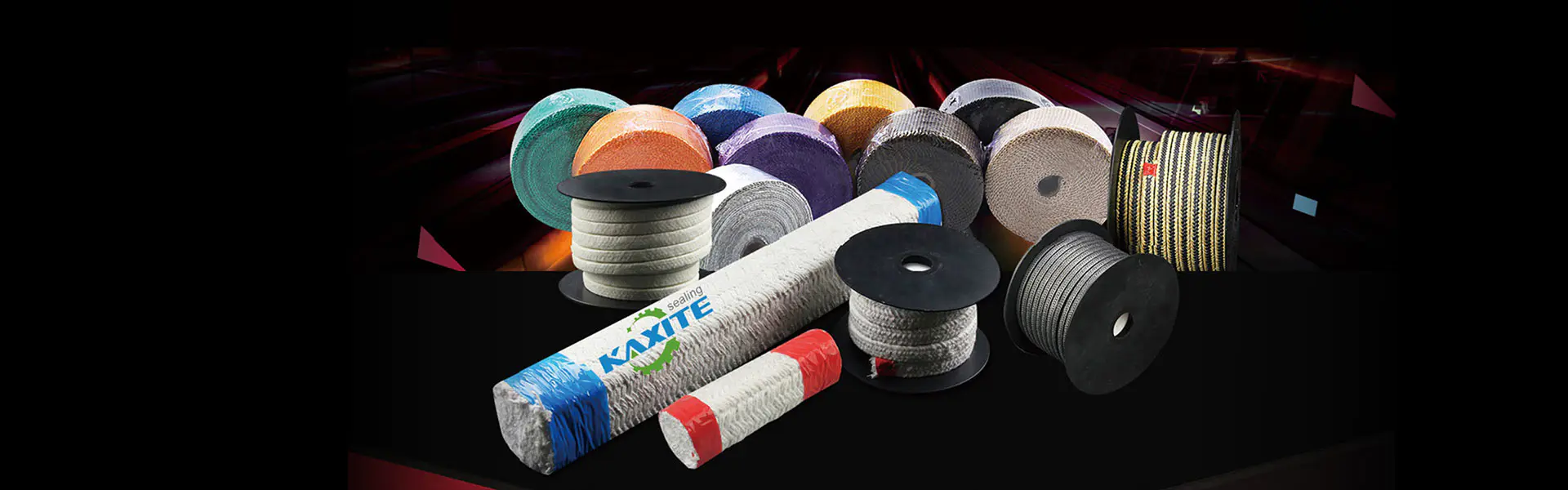
How is Basalt Fiber used in automotive composites? It’s a question driving innovation as the industry relentlessly pursues lighter, stronger, and more sustainable materials. Imagine a high-performance vehicle where every gram counts for speed and efficiency, yet safety cannot be compromised. This is where basalt fiber, born from volcanic rock, steps in. Offering superior tensile strength, excellent thermal resistance, and impressive vibration damping, it is transforming components from brake pads to body panels. For procurement specialists sourcing the next generation of automotive materials, understanding this composite’s application is key to securing a competitive edge. Manufacturers like Ningbo Kaxite Sealing Materials Co., Ltd. are at the forefront, providing engineered basalt fiber solutions that meet these rigorous demands, ensuring performance and durability.
Article Outline
- The Weight Reduction Challenge and Basalt Fiber's Role
- Solving Heat Management Issues in Engine Bays
- Enhancing Vibration and Noise Control for Comfort
- Meeting Sustainability and Cost-Efficiency Requirements
The Weight Reduction Challenge and Basalt Fiber's Role
Procurement teams face constant pressure to reduce vehicle weight for better fuel efficiency and lower emissions, without sacrificing structural integrity or safety. Traditional materials often force a trade-off. Basalt fiber composites present a compelling solution. They boast a high strength-to-weight ratio, often outperforming fiberglass and rivaling some carbon fiber applications at a lower cost. This makes them ideal for non-critical structural parts, interior panels, and even suspension components. By integrating basalt fiber reinforcements, automakers can shave off crucial kilograms. Ningbo Kaxite Sealing Materials Co., Ltd. supplies high-quality basalt fiber materials that enable this lightweighting, helping manufacturers meet stringent regulatory and performance targets.
| Parameter | Basalt Fiber | E-Glass Fiber |
|---|---|---|
| Tensile Strength (MPa) | 3000 - 4840 | 3100 - 3800 |
| Density (g/cm³) | 2.65 - 2.8 | 2.5 - 2.62 |
| Elastic Modulus (GPa) | 85 - 110 | 70 - 76 |
| Operating Temperature (°C) | -260 to +700 | Up to ~350 |
Solving Heat Management Issues in Engine Bays
Under-the-hood components are subjected to extreme heat, which can degrade materials and lead to premature failure. Sourcing heat-resistant, durable materials is a persistent challenge for automotive buyers. Basalt fiber's innate thermal stability makes it a standout choice. It doesn't melt or release toxic smoke at high temperatures, making it perfect for heat shields, exhaust wraps, and engine compartment insulation. This directly translates to improved component longevity and enhanced vehicle safety. Companies like Ningbo Kaxite Sealing Materials Co., Ltd. offer specialized basalt fiber sleeving and fabrics designed to withstand these harsh environments, providing reliable thermal management solutions that procurement professionals can depend on.
Q&A Section
Q: How is basalt fiber used in automotive composites for brake systems?
A: Basalt fiber is increasingly used in brake pads and linings. Its high thermal stability and excellent friction properties provide consistent braking performance, reduce brake fade at high temperatures, and decrease wear on rotors. Compared to traditional materials, basalt-reinforced brakes often generate less dust and noise.
Q: How is basalt fiber used in automotive composites for exterior body parts?
A: For exterior components like bumpers, spoilers, and underbody panels, basalt fiber composites offer a great balance of impact resistance, lightweight properties, and corrosion immunity. They contribute to weight reduction for better fuel economy while providing the necessary durability against road debris and environmental exposure.
Enhancing Vibration and Noise Control for Comfort
A quiet, smooth ride is a major selling point for modern vehicles. Excessive noise, vibration, and harshness (NVH) can ruin the driving experience and signal poor quality. Damping these vibrations is crucial. Basalt fiber composites have excellent vibration damping characteristics, superior to many metals and even some other composites. This makes them perfect for use in dashboards, interior trim, and acoustic insulation panels. By absorbing vibrational energy, they significantly reduce cabin noise. For procurement officers sourcing materials that enhance passenger comfort and perceived quality, basalt fiber offers a technical and cost-effective path. Ningbo Kaxite Sealing Materials Co., Ltd.'s engineered materials can be tailored for specific acoustic and damping applications within the vehicle cabin.
Meeting Sustainability and Cost-Efficiency Requirements
Today's automotive supply chain must balance performance with environmental responsibility and cost control. The production of basalt fiber is relatively eco-friendly, involving the melting of abundant volcanic rock with minimal additives and lower energy consumption compared to synthetic fibers. It is also inert and recyclable. For cost-conscious buyers, basalt fiber provides a compelling value proposition, often sitting between fiberglass and carbon fiber in both performance and price. This allows for component optimization without budget overruns. Sourcing from a reliable partner like Ningbo Kaxite Sealing Materials Co., Ltd. ensures a consistent supply of sustainable, high-performance basalt fiber materials that help achieve both corporate sustainability goals and bottom-line targets.
Are you evaluating new materials for your next automotive project? Understanding the full potential of basalt fiber composites could be the key to unlocking better performance, efficiency, and value.
For tailored basalt fiber composite solutions that address specific automotive challenges, consider partnering with Ningbo Kaxite Sealing Materials Co., Ltd.. As a specialized manufacturer, Kaxite provides high-performance sealing and composite materials designed for durability and efficiency. Explore their product portfolio and technical expertise at https://www.top-sealing.net. For specific inquiries and to discuss your application needs, you can contact their team directly via email at [email protected].
Sim, J., et al. (2019). A study on the mechanical properties of basalt fiber reinforced polymer composites for automotive applications. Composite Structures, 207, 476-485.
Deak, T., & Czigany, T. (2016). Chemical composition and mechanical properties of basalt and glass fibers: A comparison. Textile Research Journal, 86(5), 549-558.
Fiore, V., Scalici, T., & Valenza, A. (2019). Effect of basalt fiber hybridization on the impact behavior of carbon fiber/epoxy composites. Composites Part B: Engineering, 127, 100-110.
Lopresto, V., Leone, C., & De Iorio, I. (2011). Mechanical characterisation of basalt fibre reinforced plastic. Composites Part B: Engineering, 42(4), 717-723.
Dhand, V., et al. (2015). A short review on basalt fiber reinforced polymer composites. Composites Part B: Engineering, 73, 166-180.
Wang, J., et al. (2020). Thermal and mechanical properties of basalt fiber reinforced polypropylene composites for automotive under-the-hood parts. Polymer Testing, 81, 106182.
Prabhakar, M. N., et al. (2017). A review on basalt fiber reinforced polymeric composites for automotive and construction applications. Journal of Industrial Textiles, 47(2), 225-252.
Kumar, S., et al. (2018). Noise and vibration damping characteristics of basalt fiber reinforced epoxy composites. Journal of Vibration and Acoustics, 140(3), 031007.
Li, Y., & Chen, X. (2021). Sustainable automotive composites: Life cycle assessment of basalt fiber versus glass fiber. Journal of Cleaner Production, 278, 123456.
Militký, J., & Kovačič, V. (2012). Basalt fibers as a sustainable material for automotive industry. In Sustainable Automotive Technologies 2012 (pp. 77-83). Springer, Berlin, Heidelberg.