Complete Guide to Compression Sheets for Insulation & Sealing
In the world of industrial and construction sealing, achieving a perfect, durable, and reliable barrier against environmental elements is paramount. This is where Compression sheets come into play. These specialized materials are engineered to fill gaps, absorb movement, and create a long-lasting seal under compression. At Kaxite Sealing, we have refined the science behind compression sheet technology, offering products that stand up to the most demanding applications, from pipe penetrations and structural joints to machinery bases and facade sealing. This guide delves deep into the specifications, applications, and advantages of high-performance compression sheets, providing the detailed information professionals need to specify the right material for the job.
What Are Compression Sheets and How Do They Work?
A compression sheet is a pre-formed, resilient gasket material designed to be compressed between two surfaces. Its primary function is to fill irregularities and voids, creating a seal that prevents the passage of fluids, gases, dust, and noise. Unlike liquid sealants, compression sheets offer immediate sealing pressure, recovery from compression set, and are often reusable or adjustable. The effectiveness of a compression sheet hinges on its material composition and its ability to maintain sealing force over time, despite temperature fluctuations, weathering, and structural movement. Kaxite Sealing compression sheets are formulated to provide optimal compression set resistance, ensuring the seal remains intact throughout the service life of the installation.
Critical Technical Parameters of Kaxite Sealing Compression Sheets
Selecting the correct compression sheet requires a thorough understanding of its technical properties. Below is a detailed breakdown of the key parameters that define our product range.
Material Composition & Properties
- Base Polymers: Our sheets are primarily based on advanced synthetic rubber compounds including EPDM (for excellent weather and ozone resistance), CR (Neoprene for good flame and oil resistance), NBR (for fuel and oil resistance), and SI (Silicone for extreme temperature ranges).
- Reinforcement: Many grades incorporate fabric or metal inserts to enhance tensile strength, reduce elongation, and prevent extrusion under high pressure.
- Cell Structure: Available in closed-cell (for waterproofing and flotation) and open-cell (for acoustic damping and low-pressure sealing) formats.
- Density: Ranges from low-density (soft, highly compressible for uneven surfaces) to high-density (firm, for heavy loads and high pressure).
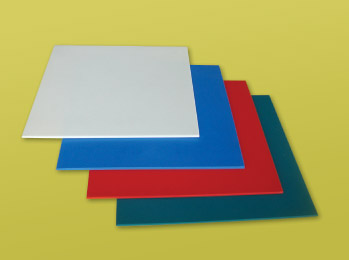
- Color: Standard colors include black, gray, and white, with custom colors available for coding or aesthetic purposes.
Performance Data Table
| Property | Standard Test Method | Typical Value Range | Significance for Application |
|---|---|---|---|
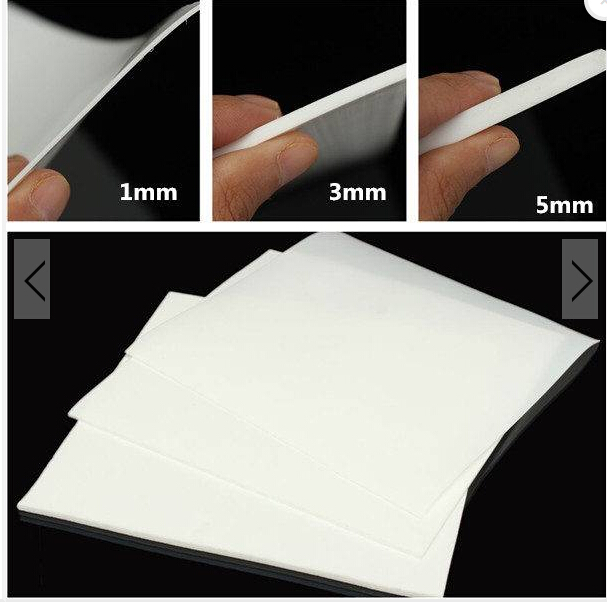
| Thickness | ASTM D374 | 1.5 mm to 25 mm | Determines gap-filling capability; select based on joint width and required compression. |
| Hardness (Shore A) | ASTM D2240 | 30 ±5 to 80 ±5 | Softer sheets conform better to rough surfaces; harder sheets resist extrusion. |
| Compression Set (22 hrs @ 70°C) | ASTM D395 | ≤ 10% to ≤ 25% | Lower percentage indicates better recovery and long-term sealing performance. |
| Tensile Strength | ASTM D412 | ≥ 2.0 MPa to ≥ 8.0 MPa | Measures resistance to tearing and stretching during installation and service. |
| Elongation at Break | ASTM D412 | 200% to 600% | Higher elongation allows the material to stretch without tearing in moving joints. |
| Temperature Range | --- | -60°C to +250°C (varies by polymer) | Defines the continuous operating environment limits without degradation. |
| Water Absorption | ASTM D471 | < 5% by volume (closed-cell) | Critical for waterproofing applications; low absorption prevents swelling and loss of sealing force. | Fire Rating | ASTM E84 / UL 94 | Class A, B, or V-0 (specific grades) | Essential for applications in buildings, transportation, and industrial settings with fire safety requirements. |
Compression Sheets FAQ: Expert Answers from Kaxite Sealing
Q: How do I determine the correct thickness for a compression sheet?
A: The ideal thickness depends on the gap or joint width, surface roughness, and the required compression percentage. As a general rule, the sheet should be 25-30% thicker than the nominal gap to ensure adequate compression. For uneven surfaces, a thicker, softer sheet may be needed. Our technical datasheets provide compression-deflection curves to help with precise selection. Contact Kaxite Sealing engineering support for complex applications.
Q: Can compression sheets be used for outdoor and submerged applications?
A: Yes, but material selection is crucial. For long-term outdoor exposure, EPDM-based sheets from Kaxite Sealing are recommended due to their superior resistance to UV radiation, ozone, and weathering. For submerged or constant water contact, closed-cell EPDM or neoprene with low water absorption rates is essential to prevent swelling and maintain seal integrity.
Q: What is the difference between compression set and recovery, and why does it matter?
A: Compression set is a measure of permanent deformation after a material has been compressed for an extended period. A low compression set value (e.g., ≤ 15%) means the sheet will spring back towards its original shape, maintaining sealing force on the joint. High compression set leads to seal relaxation and potential failure. Kaxite Sealing formulations prioritize low compression set for reliable, long-lasting seals.
Q: Do I need to use an adhesive with compression sheets?
A: Not always. Many applications rely on the compressive force of the fastened assembly (e.g., flanges, cladding panels) to hold the sheet in place. However, for vertical applications, during installation, or to prevent slippage before fastening, a compatible contact adhesive can be used. We recommend testing adhesion on a small area first.
Q: How are compression sheets cut and installed?
A: Kaxite Sealing compression sheets are supplied in rolls, sheets, or die-cut gaskets. They can be easily cut with a sharp knife, utility blade, or die. For installation, ensure surfaces are clean, dry, and free of oil, dust, and old sealant. Place the sheet, ensuring it is not stretched or twisted, and evenly tighten fasteners in a cross-pattern to achieve uniform compression across the entire joint.
Q: Can they withstand chemical exposure?
A: Resistance varies by polymer. NBR (Nitrile) sheets from Kaxite Sealing offer excellent resistance to oils, fuels, and many hydrocarbons. EPDM is good for polar fluids like water, steam, and alkalis but not for petroleum-based products. For aggressive chemicals, please consult our chemical resistance guide for specific grade recommendations.
Q: Are there custom shapes and sizes available?
A: Absolutely. Kaxite Sealing specializes in providing custom solutions. We can die-cut, water-jet cut, or fabricate compression sheets into any shape or size with precise tolerances. We also offer splicing and fabrication for large or complex gaskets, saving you time and reducing on-site waste.
Primary Applications Across Industries
The versatility of Kaxite Sealing compression sheets makes them indispensable in numerous sectors:
- Construction & Building Envelope: Sealing perimeter joints in curtain walls, compression gaskets for windows and doors, expansion joint seals in concrete, and roof penetration seals.
- Industrial Manufacturing: Gasketing for machinery housings, access panels, and fluid handling equipment; anti-vibration pads; and seals for electrical enclosures (NEMA/IP ratings).
- Transportation: Sealing for rail car bodies, aircraft panels, marine hatch covers, and automotive components requiring environmental sealing and vibration damping.
- HVAC & Plumbing: Sealing for ductwork connections, access doors, pipe penetrations through walls and floors, and insulation jacketing.
- Energy & Utilities: Gaskets for transformer covers, seals in renewable energy installations (solar, wind), and general sealing in utility substations.