


High-Performance PTFE Parts for Bulk Custom Manufacturing and OEM ODM Solutions from a Leading China Factory
PTFE parts, also known as Teflon™ parts, are critical components engineered from polytetrafluoroethylene, a synthetic fluoropolymer renowned for its exceptional chemical resistance, wide temperature tolerance, and outstanding non-stick properties. At Kaxite Sealing, we specialize in the precision manufacturing of high-performance PTFE components that meet the rigorous demands of industries ranging from semiconductor manufacturing and chemical processing to food & beverage and pharmaceuticals. Our expertise ensures that every part delivers reliability, longevity, and peak performance in the most challenging environments.
### Understanding the Material: Why PTFE?
PTFE is a unique material that offers an unparalleled combination of properties:
* **Extreme Chemical Resistance:** Inert to nearly all industrial chemicals and solvents.
* **Exceptional Temperature Range:** Performs consistently from -200°C to +260°C (-328°F to +500°F).
* **Very Low Coefficient of Friction:** Provides excellent non-stick and self-lubricating characteristics.
* **Excellent Dielectric Properties:** A superb electrical insulator.
* **High Purity & Non-Toxic:** Compliant with FDA and USP Class VI standards, making it suitable for food, medical, and pharmaceutical applications.
* **Weather & UV Resistance:** Highly stable and does not degrade under sunlight or outdoor exposure.
### Kaxite Sealing's PTFE Parts: Precision Engineering for Demanding Applications
We don't just supply parts; we provide engineered solutions. Our manufacturing process involves advanced CNC machining, molding, and skiving techniques to produce components with tight tolerances and superior surface finishes. Our product range includes, but is not limited to:
* Gaskets & Seals (Sheet, Envelope, Spiral Wound)
* Bellows and Diaphragms
* Bushings, Bearings, and Washers
* Insulators and Sleeves
* Custom Machined Components
* Rods, Tubes, and Sheets (for fabrication)
### Key Product Parameters and Specifications
To ensure you select the perfect component for your application, here are the critical parameters of our standard PTFE parts.
#### Material Grades and Properties
We offer various PTFE formulations to meet specific needs:
| Grade | Description | Key Properties | Typical Applications |
| :--- | :--- | :--- | :--- |
| **Virgin PTFE** | Pure, unmodified PTFE. | Highest chemical purity, excellent electrical properties, low friction. | Semiconductor, pharmaceutical, food contact, high-purity fluid handling. |
| **Glass-Filled PTFE** | PTFE compounded with glass fibers. | Improved compression resistance, reduced creep (cold flow), better wear resistance. | Heavy-duty seals, bushings, bearings, applications under high static load. |
| **Carbon-Filled PTFE** | PTFE compounded with carbon/graphite. | Superior wear resistance, excellent thermal conductivity, low friction. | Wear pads, piston rings, compressor rings, dynamic seals. |
| **Bronze-Filled PTFE** | PTFE compounded with bronze powder. | Greatly enhanced compressive strength, excellent wear and thermal conductivity. | Thrust washers, bearings, heavy-load mechanical applications. |
| **Stainless Steel Filled PTFE** | PTFE compounded with stainless steel fibers. | High load capacity, excellent wear resistance, low deformation under load. | High-performance bearings, seals in corrosive environments. |
| **FDA-Compliant PTFE** | Virgin or modified grades meeting FDA standards. | Non-toxic, suitable for incidental food contact. | Food processing machinery, packaging equipment. |
#### Physical and Mechanical Property Table
The following table outlines the typical performance range of our PTFE materials.
| Property | Test Standard | Virgin PTFE | Glass-Filled PTFE (25%) | Carbon-Filled PTFE (25%) |
| :--- | :--- | :--- | :--- | :--- |
| **Density (g/cm³)** | ASTM D792 | 2.14 - 2.20 | 2.20 - 2.30 | 2.10 - 2.20 |
| **Tensile Strength (psi)** | ASTM D638 | 3,000 - 5,000 | 2,500 - 3,500 | 2,200 - 3,000 |
| **Elongation at Break (%)** | ASTM D638 | 200 - 400 | 150 - 300 | 100 - 250 |
| **Compressive Strength (psi)** | ASTM D695 | 1,700 | 3,500 | 3,000 |
| **Coefficient of Friction (Dynamic)** | ASTM D1894 | 0.05 - 0.10 | 0.10 - 0.15 | 0.08 - 0.12 |
| **Continuous Service Temp.** | — | -200°C to +260°C | -200°C to +260°C | -200°C to +260°C |
| **Thermal Conductivity (W/m·K)** | ASTM C177 | 0.25 | 0.40 | 0.45 |
#### Standard Sizing and Tolerances (Machined Parts)
* **Standard Stock Shapes:** Rods (Diameter: 5mm to 300mm), Sheets (Thickness: 1mm to 100mm), Tubes (Custom IDs/ODs).
* **Standard Machining Tolerances:**
* Linear Dimensions (±): 0.1mm for standard, down to 0.01mm for precision.
* Diameter Tolerances (H7/g6 fits available): As per ISO 286 or customer specification.
* Surface Finish (Ra): Standard 3.2 µm, can achieve 0.8 µm or better for critical surfaces.
### PTFE Parts: Frequently Asked Questions (FAQ)
**What are the main limitations of PTFE that I should consider?**
While PTFE is exceptional in many areas, it has a relatively low mechanical strength compared to metals and some other plastics. It is susceptible to creep (cold flow) under sustained heavy load, especially in its pure form. This is why filled grades (glass, carbon, bronze) are often specified for mechanical applications. Additionally, it can be challenging to bond without specialized surface treatments.
**How do I choose between Virgin PTFE and a filled compound like Glass-Filled PTFE?**
The choice depends entirely on the application's primary demands. Choose Virgin PTFE for maximum chemical purity, non-stick performance, or electrical insulation. Opt for Glass-Filled or Carbon-Filled PTFE when you need enhanced mechanical properties like better wear resistance, reduced creep, higher compressive strength, and improved load-bearing capability in sealing or bearing applications.
**Can Kaxite Sealing manufacture custom PTFE parts to my exact drawings?**
Absolutely. Custom machining is a core strength at Kaxite Sealing. We can produce complex, precision components from your provided CAD drawings or samples. Our CNC machining centers are capable of handling intricate geometries, tight tolerances, and various filled PTFE materials. We provide full engineering support from prototype to full-scale production.
**Are PTFE parts safe for use in food processing or medical devices?**
Yes, provided the correct grade is selected. Our FDA-compliant Virgin PTFE grades are sanctioned for incidental food contact under FDA regulation 21 CFR 177.1550. For medical applications, USP Class VI compliant materials are available. It is crucial to specify your regulatory requirements when inquiring to ensure the correct, certified material is used.
**How does the temperature range of PTFE compare to other high-performance plastics?**
PTFE offers one of the broadest useful temperature ranges of any thermoplastic, from cryogenic levels (-200°C) up to +260°C continuously. Materials like PEEK can handle higher continuous temperatures (up to 250°C) but have a much higher lower limit and may not match PTFE's chemical inertness or non-stick properties.
**What is the lead time for standard and custom PTFE parts from Kaxite Sealing?**
Lead times vary based on complexity and order volume. Standard stock items (sheets, rods, simple gaskets) can often ship within 3-5 business days. For custom machined parts, typical lead times range from 2 to 4 weeks for prototypes and initial production runs. We prioritize clear communication and provide project-specific timelines upon quote submission.
**How should PTFE components be stored and handled to ensure longevity?**
PTFE parts should be stored in a cool, dry, and dark environment away from direct sunlight and heat sources. While chemically resistant, they should be kept clean and free from contamination. Avoid stacking heavy weights on them to prevent permanent deformation (cold flow). No special humidity control is generally needed.
**Can PTFE be used in applications involving strong oxidizing agents or alkalis?**
This is where PTFE truly excels. It is virtually inert and is one of the few materials that can reliably handle aggressive chemicals like concentrated sulfuric acid, nitric acid, aqua regia, and caustic sodas at high temperatures. Always confirm chemical compatibility for specific concentration and temperature combinations.
**What finishing operations are available for machined PTFE parts?**
We offer various finishes to meet functional requirements. These include standard as-machined finishes, precision skiving for thin seals, sintering for molded parts, and even specialized surface treatments like sodium etching to improve adhesiveness for bonding operations if required.
**Does Kaxite Sealing provide material certifications and test reports?**
Yes. We provide full traceability and documentation. Certificates of Conformance (C of C), Material Test Reports (MTR), and compliance certificates (e.g., FDA, USP Class VI) are available upon request to ensure your quality and regulatory needs are fully met.
- View as

PTFE O-Ring
Kaxite Sealing's PTFE O-Ring offers superior sealing solutions for industries like chemical and aerospace, ensuring reliable performance with its durable, chemical-resistant polytetrafluoroethylene material. Ideal for engineers and manufacturers, it prevents leaks, enhances safety, and boosts efficiency in demanding applications. Set apart by exceptional longevity and temperature resilience, this product delivers peace of mind and operational excellence—experience unmatched quality and trust in every seal.
Read MoreSend Inquiry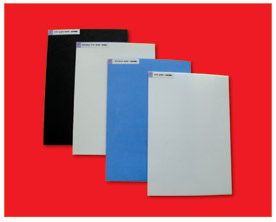
PTFE Modified Material
Discover Kaxite Sealing's PTFE Modified Material: a high-performance solution engineered for superior durability and chemical resistance. Ideal for industrial sealing applications in demanding environments, it offers exceptional reliability and reduced maintenance. Experience unmatched quality that ensures long-lasting performance, making it the smart choice for professionals seeking efficiency and peace of mind.
Read MoreSend Inquiry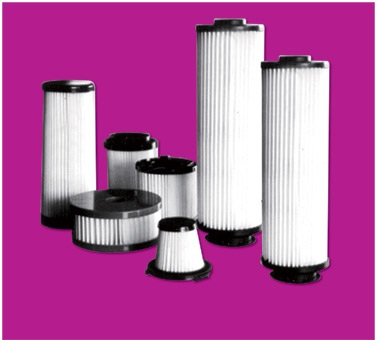
PTFE Micropore Membrance
Kaxite Sealing's PTFE Micropore Membrane is an advanced filtration solution designed for demanding applications. With its superior PTFE material, it offers exceptional durability, chemical resistance, and precise particle retention, making it ideal for industries like pharmaceuticals, water purification, and electronics. Users benefit from reliable performance, enhanced efficiency, and peace of mind, solving critical contamination issues. Its unique microstructure outperforms competitors. Upgrade your processes with Kaxite Sealing's trusted innovation.
Read MoreSend Inquiry
PTFE Micropore Gas
Kaxite Sealing's PTFE Micropore Gas offers advanced sealing solutions, utilizing PTFE's durability and microporous design for superior gas retention in industrial applications. Ideal for engineers and technicians, it ensures reliable performance, reducing leaks and enhancing safety. This innovation stands out with its precision engineering, providing peace of mind and efficiency. Upgrade your operations today.
Read MoreSend Inquiry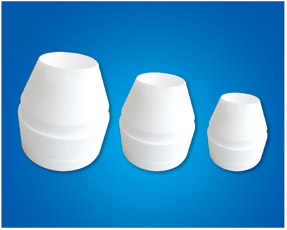
PTFE Accessories For Printing And Dyeing Mechanical Equipments
Discover Kaxite Sealing's PTFE Accessories for Printing and Dyeing Mechanical Equipments, engineered from high-performance polytetrafluoroethylene to ensure durability, chemical resistance, and smooth operation. Perfect for industry professionals seeking reliable solutions, these accessories reduce maintenance, enhance efficiency, and solve critical sealing challenges. With superior design and unmatched quality, Kaxite Sealing stands out—trust our products to elevate your equipment's performance and drive your business forward.
Read MoreSend Inquiry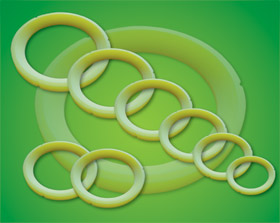
Devlon Ball Valve Seat
Discover the Kaxite Sealing Devlon Ball Valve Seat, a premium sealing solution designed for durable, leak-proof performance in industrial valve systems. Its advanced Devlon material ensures superior resistance to wear and corrosion, making it ideal for engineers and maintenance teams in demanding applications like oil, gas, and water treatment. Experience enhanced reliability and peace of mind with this standout product that combines innovative design with long-lasting quality, outperforming conventional seals.
Read MoreSend Inquiry