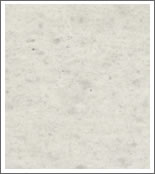
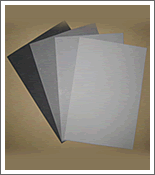
The Essential Guide to High-Performance Non-asbestos Sheet Materials
In industrial sealing and gasketing, material selection is paramount to safety, compliance, and operational longevity. For decades, asbestos-based materials were the default choice due to their heat resistance and durability. However, the severe health hazards associated with asbestos fibers led to a global shift towards safer, high-performance alternatives. Modern Non-asbestos Sheet materials, engineered from advanced synthetic fibers and binders, not only match but often exceed the capabilities of traditional asbestos sheets. Kaxite Sealing, a leader in sealing solutions, manufactures premium Non-asbestos Sheets designed to meet the rigorous demands of today's industries without compromising on safety or performance.
Kaxite Sealing's Non-asbestos Sheets are composite materials typically composed of aramid fibers (like Nomex or Kevlar), glass fibers, carbon fibers, nitrile rubber (NBR), and styrene-butadiene rubber (SBR), bound with high-quality elastomers. This sophisticated formulation results in a versatile gasketing material that offers exceptional resistance to heat, pressure, chemicals, and fluids. They are the responsible and effective choice for creating gaskets in piping systems, flanges, engines, pumps, and compressors across sectors such as oil & gas, chemical processing, power generation, marine, and automotive.
Key Advantages of Kaxite Sealing Non-asbestos Sheets
- Complete Safety & Regulatory Compliance: Asbestos-free, ensuring a safe workplace and adherence to global health regulations (OSHA, REACH, etc.).
- Superior Temperature & Pressure Tolerance: Consistently perform across a wide temperature range and under high flange pressures.
- Excellent Sealing Integrity: Low creep relaxation maintains bolt load, preventing leaks over extended service periods.
- Broad Chemical Resistance: Withstand attack from a wide array of oils, fuels, solvents, and mild acids/alkalis.
- Durability & Long Service Life: Resistant to weathering, aging, and compression set, reducing maintenance frequency and downtime.
- Ease of Fabrication: Can be easily cut, punched, and stamped into complex gasket shapes using standard tools.
Detailed Product Parameters & Specifications
Understanding the technical specifications is crucial for selecting the correct Non-asbestos Sheet for your application. Below are the standard parameters for Kaxite Sealing's general-purpose Non-asbestos Sheet, followed by a comparison table of different grades.
Standard Material Composition & Properties
- Primary Fibers: Aramid Fiber, Glass Fiber
- Binder: Nitrile Butadiene Rubber (NBR)
- Color: Typically White, Blue, or Green (color-coded by grade)
- Density: 1.6 - 2.0 g/cm³
- Tensile Strength (≥): 9 MPa (ASTM F152)
- Compression Set (≤): 50% (ASTM F36)
- Recovery (≥): 45% (ASTM F36)
Performance Data Table
| Property | Test Standard | Typical Value | Remarks |
|---|---|---|---|
| Temperature Range | — | -40°C to +290°C (-40°F to +554°F) | Short peaks up to 320°C (608°F) possible. |
| Maximum Pressure | — | Up to 150 Bar (2175 psi) | Dependent on flange design and bolt load. |
| pH Range | — | 4 - 11 | Suitable for many chemical services. |
| Thermal Conductivity | ASTM C518 | 0.15 - 0.25 W/m·K | Provides good thermal insulation. |
| Flammability | ASTM D635 | Self-extinguishing | Does not support combustion. |
| Acid Resistance (20% H2SO4) | ASTM D471 | Excellent | Low swelling, good retention of properties. |
| Oil Resistance (ASTM Oil #3) | ASTM D471 | Excellent | Minimal weight and volume change. |
Kaxite Sealing Non-asbestos Sheet Grade Comparison
| Grade Code | Color | Key Features | Ideal Applications |
|---|---|---|---|
| KX-NA100 | Blue | General purpose, excellent balance of sealing, temperature, and chemical resistance. | Water, steam, air, oils, fuels, mild chemicals. Most common for industrial gaskets. |
| KX-NA200HT | Green | High-temperature focus with enhanced aramid fiber content. | Exhaust systems, high-temperature flanges, heat exchangers, boiler applications. |
| KX-NA300CR | Yellow | Superior chemical resistance with specialty elastomer binders. | Aggressive chemicals, solvents, strong acids/alkalis (within pH range). |
| KX-NA400HP | Red | High-pressure formulation with reinforced fiber weave for extreme bolt loads. | High-pressure piping, pump casings, compressor flanges in oil & gas. |
Frequently Asked Questions (FAQ) About Non-asbestos Sheets
Q: What exactly is a Non-asbestos Sheet made of?
A: A Non-asbestos Sheet is a composite material manufactured from synthetic fibers (such as aramid, glass, or carbon fibers) and elastomeric binders (like NBR or SBR rubber). These components are processed under heat and pressure to form a dense, uniform sheet that replicates the beneficial properties of asbestos—like heat resistance and strength—without any of the associated health risks.
Q: How does the performance of a Non-asbestos Sheet compare to traditional compressed asbestos fiber (CAF) sheets?
A: Modern Non-asbestos Sheets from reputable manufacturers like Kaxite Sealing are engineered to perform equally well or better. They offer comparable temperature and pressure ratings, often with improved creep relaxation (meaning they maintain a seal longer under bolt load) and better consistency in quality. The key advantage is the elimination of toxic, carcinogenic asbestos fibers, ensuring long-term safety and liability protection.
Q: Can I use the same tools to fabricate gaskets from Non-asbestos Sheets as I did with asbestos sheets?
A: Yes, absolutely. Kaxite Sealing Non-asbestos Sheets are designed for easy fabrication. They can be cleanly cut with utility knives, scissors, die-cut, or stamped using the same tools and presses used for traditional materials. Always use sharp tools for a clean cut and follow standard safety procedures for handling sheet materials.
Q: What is the shelf life of Kaxite Sealing Non-asbestos Sheets, and how should they be stored?
A: When stored correctly, Kaxite Sealing sheets have a shelf life of over 10 years. They should be stored in a cool, dry, and dark environment away from direct sunlight, heat sources (like radiators), ozone generators, and chemicals. Store the sheets flat or on a large diameter roll to prevent permanent bending or creasing.
Q: Are all Non-asbestos Sheets the same? How do I choose the right grade?
A: No, they are not all the same. Performance varies significantly based on the fiber blend, binder type, and manufacturing process. Selection should be based on your specific service conditions:
- Media: Identify the fluid or gas (e.g., steam, oil, acid).
- Temperature: Determine both operating and peak temperatures.
- Pressure: Know the system operating pressure.
- Flange & Bolt Load: Consider the flange surface finish and available bolt load.
Q: Is a Non-asbestos Sheet suitable for all chemical services?
A: While Kaxite Sealing Non-asbestos Sheets offer broad chemical resistance, no single material is universal. They perform excellently with oils, fuels, steam, water, and many mild to moderate chemicals. However, for highly oxidizing acids, strong alkalis, or specific solvents, it is critical to consult the chemical resistance chart for the specific grade or consider alternative materials like PTFE. Always conduct compatibility tests for critical applications.
Q: How do I ensure a proper seal when installing a gasket made from Non-asbestos Sheet?
A: Proper installation is key. Ensure flange surfaces are clean, undamaged, and aligned. Use the correct gasket thickness for your application (thinner for high pressure, thicker for uneven surfaces). Follow a star-pattern torque sequence when tightening bolts to apply even load. Always re-torque bolts after the first heat cycle in hot applications, as specified in the installation guide provided by Kaxite Sealing.
Kaxite Sealing is committed to providing sealing solutions that empower industries to operate safely, efficiently, and reliably. Our range of Non-asbestos Sheet materials represents this commitment, blending advanced material science with practical engineering to solve real-world sealing challenges.