


Custom Insulation Products from a Leading China Manufacturer for Bulk Orders
Insulation Products: The Definitive Guide to Materials, Specifications, and Performance
In the realms of construction, industrial manufacturing, and energy management, Insulation Products are not merely accessories; they are fundamental components that dictate a system's efficiency, safety, and longevity. Effective insulation reduces energy consumption, controls condensation, dampens noise, and provides critical fire protection. This guide, leveraging decades of industry expertise, delves deep into the technical parameters and selection criteria for high-performance insulation, highlighting the precision engineering behind Kaxite Sealing solutions.
Core Types of Insulation Materials and Their Properties
Selecting the right insulation begins with understanding the material science behind each type. Performance varies dramatically based on composition.
- Mineral Wool (Stone Wool & Glass Wool): Excellent fire resistance (non-combustible), superior acoustic dampening, and good thermal performance. Ideal for high-temperature applications and fire-stopping.
- Flexible Elastomeric Foam (FEF): Closed-cell structure provides exceptional resistance to moisture vapor transmission. Primarily used for plumbing and HVAC systems to prevent condensation on cold pipes and ducts.
- Polyisocyanurate (PIR) & Polyurethane (PUR) Rigid Foam Boards: Offer some of the highest R-values per inch among common insulation materials. Lightweight, easy to install, and commonly used in wall cavities, roofing, and commercial cladding.
- Expanded Polystyrene (EPS) & Extruded Polystyrene (XPS): Cost-effective, moisture-resistant rigid foam boards. XPS has a higher compressive strength and lower water absorption than EPS, making it suitable for below-grade applications.
- Cellulose & Fiberglass (Batt Insulation): Traditional, budget-friendly options primarily for residential wall and attic cavities. Their performance is highly dependent on correct, gap-free installation.
- Aerogel Blankets: Advanced, ultra-thin insulation with extremely low thermal conductivity. Used in space-constrained, high-performance industrial applications.
At Kaxite Sealing, we specialize in engineered solutions, particularly in the flexible foam and specialty insulation categories, where precision sealing and material integrity are paramount.
Critical Technical Parameters for Specification
Understanding these key metrics is essential for comparing products and ensuring they meet project requirements.
| Parameter | Definition & Units | Why It Matters | Typical Range (Varies by Material) |
|---|---|---|---|
| Thermal Conductivity (k-value) | Measures a material's inherent ability to conduct heat. Lower is better. Units: W/(m·K). | The primary indicator of insulating efficiency. Directly impacts the required thickness. | 0.020 - 0.040 W/(m·K) |
| Thermal Resistance (R-value) | Measures resistance to heat flow for a *specific thickness*. Higher is better. Units: (m²·K)/W. | Used for building code compliance and comparing installed performance. R = thickness / k-value. | 3.5 - 7.0 per inch (varies greatly) |
| Water Vapor Transmission Rate (WVTR) | The rate water vapor passes through a material. Units: g/(m²·day). | Critical for condensation prevention. Closed-cell foams have very low WVTR. | 0.1 - 50 g/(m²·day) |
| Fire Performance Rating | Classified per standards (e.g., ASTM E84, Euroclass). Ratings include Flame Spread, Smoke Developed. | Ensures life safety and code adherence. Non-combustible materials (e.g., mineral wool) offer the highest safety. | Class A/1 (Best) to Class C/3 |
| Compressive Strength | The ability to resist deformation under load. Units: kPa or psi. | Vital for insulation under flooring, roofs, or in load-bearing walls. | 15 - 250+ kPa |
| Operating Temperature Range | The minimum and maximum surface temperatures the material can withstand continuously. | Prevents melting, warping, or loss of insulating value. Dictates application suitability. | -40°C to +120°C (wider for specialized products) |
Detailed Product Specification: Kaxite Sealing Elite Series
The following table details the specifications for a premium line of flexible elastomeric insulation products from Kaxite Sealing, designed for demanding HVAC and plumbing applications.
| Product Code | KX-FEF-15 | KX-FEF-19 | KX-FEF-25 | KX-FEF-32 |
|---|---|---|---|---|
| Material Type | Nitrile Rubber/PVC Closed-Cell Flexible Foam | |||
| Primary Application | Domestic Plumbing, AC Lines | Commercial HVAC Ducts & Pipes | Industrial Chilled Water Lines | Specialist Refrigeration & Low-Temp Process |
| Nominal Thickness | 15mm (1/2") | 19mm (3/4") | 25mm (1") | 32mm (1-1/4") |
| Thermal Conductivity (k-value) at 0°C | 0.033 W/(m·K) | 0.033 W/(m·K) | 0.034 W/(m·K) | 0.034 W/(m·K) |
| Approx. R-value (Per Inch) | R-3.7 | R-3.7 | R-3.6 | R-3.6 |
| Water Vapor Diffusion Resistance (µ) | >7,000 (Classified as a Vapor Retarder) | |||
| Fire Rating (ASTM E84) | Flame Spread ≤ 25; Smoke Developed ≤ 50 (Class 1 / Class A) | |||
| Operating Temperature Range | -40°C to +105°C (-40°F to +220°F) | |||
| Standard Sheet/Roll Size | 1m x 2m (Sheets) / 1m x 10m (Rolls) | 1.2m x 2m (Sheets) / 1.2m x 8m (Rolls) | ||
Insulation Products FAQ
Q: What is the most important factor when choosing insulation for an exterior wall?
A: The climate zone and local building codes are paramount, as they dictate the minimum required R-value. However, beyond that, moisture management is critical. You must choose a product and assembly (e.g., using a vapor barrier correctly) that prevents interstitial condensation within the wall cavity, which can lead to mold and structural damage. For exterior walls, the balance between thermal resistance (R-value) and vapor permeability is key.
Q: Can I use pipe insulation intended for hot water on cold water or refrigeration lines?
A: Not necessarily. While some materials have a wide temperature range, insulation for cold lines is specifically designed to prevent condensation formation on the outer surface. This requires a material with a very low Water Vapor Transmission Rate (WVTR) and properly sealed joints. Products like Kaxite Sealing's flexible elastomeric foams are engineered for this purpose. Using a fibrous or open-cell insulation on a cold pipe will likely result in surface wetness and reduced performance.
Q: How does insulation contribute to fire safety?
A: Insulation contributes in several ways. First, non-combustible materials like mineral wool do not fuel a fire and can act as a fire barrier, protecting structural elements and creating compartmentation to slow fire spread. Second, many foam insulations, when required by code, are treated with fire retardants to achieve specific Flame Spread and Smoke Developed indices. Always check the manufacturer's certified fire test data for your specific application.
Q: What does "closed-cell" vs. "open-cell" foam mean, and why does it matter?
A: This refers to the microscopic structure of the foam. Closed-cell foam has sealed, discrete bubbles, making it rigid, stronger, and highly resistant to water and vapor ingress. Open-cell foam has interconnected pores, making it softer, more flexible, and a better sound absorber, but it is permeable to air and moisture. For below-grade applications, roofing, or anywhere moisture is a concern, closed-cell is typically specified. Open-cell is often used in interior wall cavities where cost and sound absorption are priorities.
Q: Is a higher R-value always better?
A: Within the constraints of physics and economics, yes, a higher R-value provides greater thermal resistance. However, there are diminishing returns. Doubling the insulation thickness doubles the cost and space used but does not double the energy savings. The optimal R-value is determined by a cost-benefit analysis based on local energy prices, climate, and the building's lifespan. Building codes provide a minimum baseline for efficiency and safety.
Q: How do I ensure my insulation performs as specified on the data sheet?
A: Laboratory-tested performance assumes perfect installation. The key is to eliminate thermal bridging (gaps where heat flows around the insulation) and compression. Insulation must be installed continuously, cut tightly around obstructions, and joints must be sealed properly—especially with vapor-retardant products like those from Kaxite Sealing. For batt insulation, it must fill the cavity completely without gaps or compression. Poor installation can reduce effective performance by 30% or more.
Application-Specific Considerations
Beyond technical specs, the correct application dictates product choice.
- Roofing: Requires insulation with high compressive strength (for traffic/gravel), dimensional stability, and appropriate fire rating. PIR/PUR boards are common.
- Exterior Walls (Cavity & Cladding): Focus on R-value per inch to preserve interior space, moisture resistance, and compatibility with the wall assembly's drying potential.
- HVAC Ducting: Internal duct liner needs good acoustic properties and a smooth surface for air quality. External duct wrap requires a robust vapor barrier. Kaxite Sealing products excel as external wrap on chilled air handling units and ducts.
- Industrial Piping: Must withstand wide temperature swings, potential chemical exposure, and physical abuse. Pre-formed pipe sections (with self-sealing joints) from materials like calcium silicate or high-temperature foams are standard.
- Acoustic Insulation: Density and damping are key. Mineral wool and specialized acoustic foams are designed to absorb sound waves across a range of frequencies.
- View as
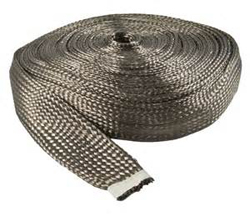
Basalt Fiber Sleeving
Discover Kaxite Sealing's Basalt Fiber Sleeving, a premium solution for high-temperature insulation and protection in industrial and DIY applications. Made from durable, eco-friendly basalt fibers, it offers superior heat resistance up to 900°C, ease of installation, and exceptional longevity. Ideal for engineers, manufacturers, and hobbyists in automotive, aerospace, or home projects, it ensures safety and peace of mind by preventing heat damage and downtime. Unlike conventional sleeves, it's non-combustible and cost-effective over time. Explore this innovative tool today and elevate your performance with reliable, high-quality protection!
Read MoreSend Inquiry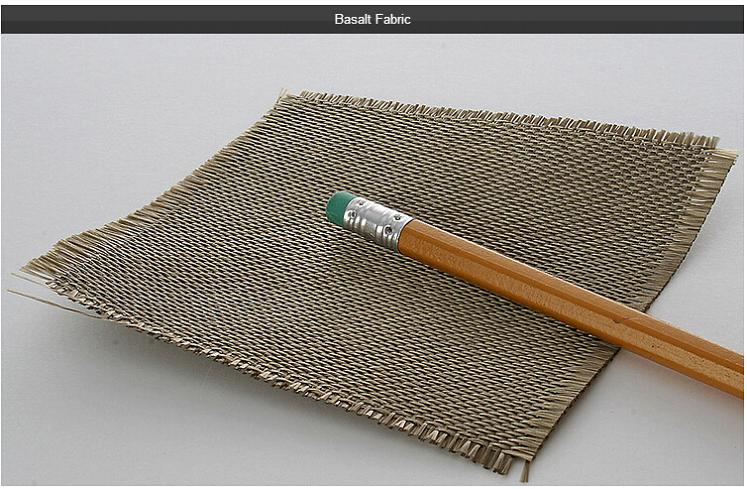
Basalt Fiber Cloth
Discover Kaxite Sealing's Basalt Fiber Cloth, a durable, non-toxic textile for construction and industrial use, offering superior heat resistance and environmental benefits. Ideal for engineers and DIY enthusiasts, this cloth ensures reliability in demanding projects. Experience enhanced safety and performance, setting it apart from traditional materials. Trust Kaxite Sealing for quality that inspires confidence.
Read MoreSend Inquiry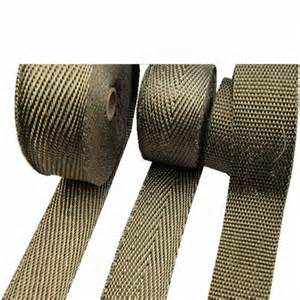
Basalt Fiber Tape
Kaxite Sealing's Basalt Fiber Tape revolutionizes sealing solutions with its durable volcanic rock fibers, ideal for industrial and home repairs. This high-strength tape offers superior heat and chemical resistance, outperforming traditional options. Whether for contractors or DIY enthusiasts, it ensures reliable, long-lasting fixes in harsh environments, bringing peace of mind and enhanced safety. Our unique manufacturing process guarantees unmatched quality, backed by a satisfaction promise—experience the difference today!
Read MoreSend Inquiry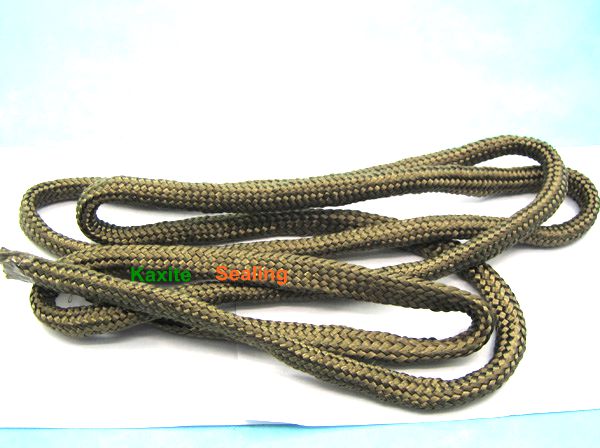
Basalt Fiber Rope
Discover Kaxite Sealing's Basalt Fiber Rope, a high-strength, corrosion-resistant solution for industrial and marine applications. Made from sustainable volcanic rock fibers, it offers superior durability and eco-friendly performance. Ideal for engineers and outdoor enthusiasts in demanding environments, this rope ensures safety and reliability, solving durability issues with a unique, lightweight design. Elevate your projects with trust and innovation.
Read MoreSend Inquiry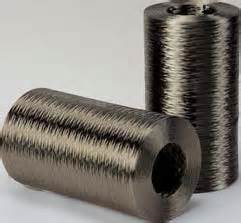
Basalt Fiber Yarn
Discover the strength of Kaxite Sealing's Basalt Fiber Yarn—a premium material crafted from volcanic rock, offering superior durability, high-temperature resistance, and eco-friendly properties. Ideal for industries like construction and automotive, it enhances structural integrity while reducing environmental impact. Elevate your projects with unparalleled performance and reliability.
Read MoreSend Inquiry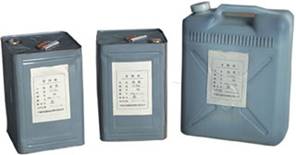
Paint Priming
Kaxite Sealing Paint Priming is a revolutionary primer that ensures flawless paint adhesion and durability for DIY enthusiasts and professionals alike. Its advanced formula prevents peeling and enhances color vibrancy, making it ideal for home renovations or gift projects. Experience smooth finishes and long-lasting results that solve common prep issues, offering a unique, eco-friendly blend unmatched by competitors. Try Kaxite Sealing today for professional-grade transformation! (100 words)
Read MoreSend Inquiry