


High-Quality Sealing Materials for OEM and Custom Manufacturing Solutions
Your Essential Guide to High-Performance Sealing Materials
In any industrial, construction, or manufacturing application, the integrity of a system hinges on the reliability of its seals. Sealing materials are the unsung heroes, preventing leaks, containing pressure, excluding contaminants, and ensuring operational safety and efficiency. Choosing the wrong material can lead to catastrophic failure, costly downtime, and significant safety hazards. This comprehensive guide, informed by decades of industry expertise, will delve into the critical parameters, types, and applications of sealing materials, with a focus on the precision-engineered solutions offered by Kaxite Sealing.
Critical Parameters for Selecting Sealing Materials
Selecting a seal is not about picking a product; it's about engineering a solution. The material must be compatible with the operating environment. Here are the non-negotiable parameters to evaluate:
- Temperature Range: The material must retain its elasticity, strength, and sealing force across the entire operational temperature spectrum, from minimum to maximum.
- Chemical Compatibility: Resistance to degradation, swelling, or corrosion when exposed to specific media (oils, fuels, acids, alkalis, steam, etc.) is paramount.
- Pressure: The seal must withstand system pressure without extrusion into gaps (calling for robust materials or anti-extrusion rings).
- Application Type: Static seals (gaskets, O-rings in fixed housings) and dynamic seals (rotary shaft seals, piston seals) have vastly different wear and friction requirements.
- Hardness (Durometer): Measured on the Shore A scale, hardness affects sealing force, extrusion resistance, and conformability. Softer seals (lower Shore A) conform better to rough surfaces; harder seals resist extrusion.
- Compression Set: A material's ability to return to its original shape after prolonged compression. A low compression set is critical for long-term sealing reliability.
Comprehensive Product Breakdown: Materials & Specifications
Different base polymers offer unique property profiles. Kaxite Sealing manufactures seals from a wide range of advanced compounds to meet every challenge.
| Material Type | Key Advantages | Typical Temperature Range | Chemical Resistance Profile | Common Applications | Kaxite Sealing Grade Example |
|---|---|---|---|---|---|
| Nitrile Rubber (NBR) | Excellent resistance to petroleum-based oils, fuels, and greases; good mechanical properties; cost-effective. | -40°C to +120°C (-40°F to +248°F) | Excellent for hydrocarbons, poor for ozone, weathering, and polar solvents. | Hydraulic systems, fuel handling, automotive engines, gearboxes. | Kaxite NBR-70 (70 Shore A, low compression set) |
| Fluoroelastomer (FKM/Viton®) | Exceptional high-temperature resistance and chemical inertness; excellent for aggressive fluids. | -20°C to +230°C (-4°F to +446°F) | Excellent for oils, fuels, acids, aromatics, and halogenated hydrocarbons. Poor for ketones and amines. | Aerospace, chemical processing, oil & gas downhole, automotive fuel systems. | Kaxite FKM-HT (High-Temperature Grade) |
| Silicone Rubber (VMQ) | Extremely wide temperature range, excellent flexibility at low temps, good ozone/weather resistance. | -60°C to +225°C (-76°F to +437°F) | Good for hot air, ozone, weak acids/bases. Poor for fuels, oils, and concentrated acids. | Food & beverage, medical devices, HVAC gaskets, lighting, high-temperature static seals. | Kaxite SI-FDA (FDA compliant, platinum-cured) |
| Ethylene Propylene Diene Monomer (EPDM) | Superior resistance to hot water, steam, ozone, weathering, and polar solvents like alcohols/ketones. | -50°C to +150°C (-58°F to +302°F) | Excellent for steam, hot water, alkalis, ozone. Poor for petroleum oils and fuels. | Automotive cooling systems, dishwasher/washing machine seals, HVAC, roofing seals. | Kaxite EPDM-Steam (Optimized for steam service) |
| Polytetrafluoroethylene (PTFE) | Almost universal chemical resistance, extremely low friction, excellent high-temp performance, non-stick. | -260°C to +260°C (-436°F to +500°F) | Inert to nearly all industrial chemicals and solvents. | Chemical processing pumps/valves, aggressive fluid handling, semiconductor, food & pharma. | Kaxite PTFE-Enh (Glass/MoS2 filled for improved wear) |
Advanced Composite and Engineered Materials
For the most demanding applications, Kaxite Sealing develops advanced materials:
- Perfluoroelastomer (FFKM): The ultimate seal material, combining PTFE-like chemical resistance with elastomeric properties. Used in semiconductor and extreme chemical service.
- Polyurethane (PU/AU/EU): Exceptional abrasion resistance, high tensile strength, and load-bearing capacity. Ideal for hydraulic piston seals and high-wear environments.
- Custom-Compounded Elastomers: Kaxite engineers can tailor compounds by balancing polymers, fillers, plasticizers, and curing systems to meet specific pH, conductivity, or extreme temperature requirements.
Sealing Materials FAQ: Expert Answers
Q: How do I choose between an O-ring and a custom-molded gasket?
A: O-rings are cost-effective, standardized seals excellent for static and dynamic applications with defined gland designs. Choose a custom-molded gasket when sealing large, irregular flanges, when compression needs to be distributed over a wide area, or when the assembly requires integrated alignment or mounting features. Kaxite Sealing provides expert design support for both.
Q: What does "Shore A Hardness" mean, and why is 70 Shore A so common?
A: Shore A is a measure of an elastomer's resistance to indentation. A higher number means a harder material. 70 Shore A is a widely used benchmark because it offers an optimal balance: it provides sufficient sealing force and resistance to extrusion under moderate pressure while still being compliant enough to seal effectively on standard surface finishes.
Q: My seal failed due to "Compression Set." What happened and how can I prevent it?
A: Compression set is the permanent deformation of a seal after it is compressed for a long time. When the set is too high, the seal loses its "spring-back" and sealing force, leading to leaks. To prevent it, select a material formulation known for low compression set (like Kaxite's specialized compounds), ensure the seal is not compressed beyond its recommended squeeze percentage, and verify the operating temperature is within the material's rated range.
Q: Can I use a fuel-resistant seal like FKM for a brake fluid application?
A: No, this is a critical mistake. While FKM is excellent for petroleum-based fluids, most common brake fluids (DOT 3, DOT 4, DOT 5.1) are glycol-ether based, which can cause severe swelling and softening in standard FKM. For brake fluid, you must use a seal compound specifically resistant to polyglycols, such as EPDM or a specially formulated epichlorohydrin (ECO) rubber. Always verify chemical compatibility charts.
Q: What are the key storage conditions to maximize the shelf life of my sealing materials?
A: Proper storage is crucial. Store seals in a cool, dark, and dry environment, ideally between 10°C and 25°C (50°F and 77°F). Keep them away from direct sunlight, ozone sources (like electric motors), and areas with high humidity. Seals should be stored loosely in their original packaging, not stretched, compressed, or hung on pegs. Following these practices, most elastomeric seals from Kaxite Sealing have a shelf life of up to 10 years.
Q: For a high-pressure hydraulic system, is material hardness the only consideration?
A: Not at all. While a higher hardness (e.g., 90 Shore A) helps resist extrusion, system design is equally important. You must ensure the clearance gap between metal parts is minimal. For pressures above 1500 psi, anti-extrusion rings (often made of harder PTFE or nylon) are used behind the primary elastomeric seal to physically block it from entering the gap. The combination of the right Kaxite material and proper gland design ensures high-pressure integrity.
Precision Manufacturing and Quality Assurance at Kaxite Sealing
The best material compound is only as good as the part manufactured from it. Kaxite Sealing employs state-of-the-art molding, machining, and finishing processes. Every production batch is traceable, and quality checks are integral to each step, from raw polymer inspection to final dimensional verification. Advanced techniques like liquid injection molding (LIM) for silicone and precision CNC machining for PTFE ensure seals meet the tightest tolerances and are free from defects that could initiate a leak path.
- View as
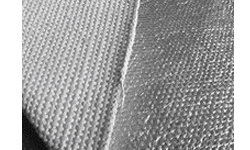
Dust Free Asbestos Yarn
Kaxite Sealing's Dust Free Asbestos Yarn is a premium sealing material designed for industrial applications. Its dust-free nature ensures safety and durability, making it ideal for high-temperature environments and professional users like engineers and contractors. Experience enhanced peace of mind and reliability with this superior, long-lasting solution.
Read MoreSend Inquiry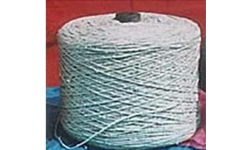
Asbestos Yarn
Discover Kaxite Sealing's premium Asbestos Yarn—a durable and reliable solution for high-temperature sealing and insulation in industrial applications. Engineered for superior heat resistance and flexibility, this asbestos yarn ensures safety and efficiency in demanding environments. Ideal for manufacturers, engineers, and maintenance professionals, it transforms complex setups into seamless operations, offering peace of mind and unmatched performance. What sets it apart is Kaxite Sealing's commitment to quality and innovation, making this product a smart choice for those who value precision and durability in their projects. Elevate your standards with this essential industrial component.
Read MoreSend Inquiry
Spun Kynol Fiber Yarn
Discover Kaxite Sealing's Spun Kynol Fiber Yarn: a durable, high-performance yarn crafted from innovative Kynol fibers, ideal for industrial applications and outdoor gear. Its superior heat resistance, strength, and flexibility set it apart, solving wear-and-tear issues for professionals and DIY enthusiasts, delivering reliability and peace of mind with every project.
Read MoreSend Inquiry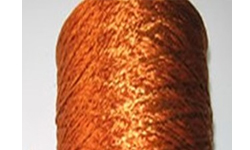
Kynol Fiber Yarn
Discover Kynol Fiber Yarn, the premium choice from Kaxite Sealing for superior strength and durability. Ideal for engineers, designers, and gift-givers, it offers unmatched resistance in diverse settings. Embrace a reliable, innovative solution that outshines competitors with quality you can trust.
Read MoreSend Inquiry
Acrylic Fiber Yarn
Discover the superior durability and vibrant versatility of Kaxite Sealing's Acrylic Fiber Yarn. Ideal for crafters and manufacturers, this yarn offers exceptional softness, color retention, and resistance to wear, perfect for cozy projects or high-use textiles. Elevate your creations with our reliable, high-quality material, delivering lasting satisfaction and endless creative possibilities.
Read MoreSend Inquiry
Ramie Yarn
Discover the natural strength and breathability of Ramie Yarn, crafted by Kaxite Sealing for sustainable projects. Ideal for eco-conscious crafters, it offers superior durability and softness, reducing environmental impact. Embrace comfort and style in every creation, standing out with its unique blend and quality promise from Kaxite Sealing.
Read MoreSend Inquiry