


Custom Cork Sheet Manufacturer for Bulk OEM and Private Label Sourcing from China
Sustainable & High-Performance Cork Sheet Solutions from China
As a leading cork sheet supplier in China, Kaxite Sealing provides premium cork gasket material and insulation sheets designed for durability, compressibility, and environmental sustainability. Our custom cork sheet solutions are trusted across automotive, industrial, and construction sectors for reliable sealing, vibration dampening, and thermal insulation.
ISO 9001:2015 25+ Years Experience 40+ Countries Exported
🌿
Eco-Friendly & Renewable
Harvested from cork oak bark without harming trees. 100% natural and recyclable.
🔧
Excellent Compression & Recovery
Conforms to uneven surfaces, providing a tight, lasting seal with minimal force.
⚙️
Customizable & Easy to Fabricate
Available in various densities, thicknesses, and with adhesive backing. Die-cutting service available.
Technical Specifications & Grades
We offer a comprehensive range of cork materials to meet specific industrial requirements.
Material Grades
- • Natural Cork Sheet: Pure cork, ideal for general sealing, insulation, and crafts.
- • Composite Cork (Rubber-Cork): Blended with NBR/SBR rubber for superior oil, fuel, and solvent resistance.
- • Fire-Retardant (FR) Cork: Treated to meet ASTM E84 Class A/B flame spread standards.
- • Self-Adhesive Cork: Pressure-sensitive backing for quick, hassle-free installation.
Key Physical Properties
- Thickness Range 0.8 mm – 25.4 mm
- Density 300 – 550 kg/m³
- Temperature Range -40°C to 120°C
- Compression Set 15% – 40%
* Custom sizes, densities, and thicknesses available upon request for bulk orders.
From Tree to Sheet – Our Manufacturing Process
1 Sourcing: Sustainably harvested cork bark from Mediterranean forests.
2 Processing: Granulated, sieved, and blended with high-grade binders (if required).
3 Molding & Curing: Compressed under high heat and pressure to form uniform sheets.
4 Quality Control: Rigorous testing for density, compression, and tensile strength.
Why Source from Kaxite?
- ✔ Factory-direct pricing – competitive wholesale rates.
- ✔ Rapid prototyping & custom die-cutting services.
- ✔ Strict quality assurance – ISO 9001 certified facility.
- ✔ Reliable global logistics – FOB Ningbo, CIF, or EXW terms.
Frequently Asked Questions about Cork Sheet
Q: What is the difference between natural cork and rubber-cork?
A: Natural cork is pure and ideal for general sealing and crafts. Rubber-cork (composite) is blended with synthetic rubber binders, offering superior resistance to oils, fuels, and solvents, making it preferred for automotive and industrial gaskets.
Q: How does cork sheet perform as a gasket material?
A: It offers excellent compressibility and recovery, allowing it to conform to uneven flange surfaces and maintain a tight seal under varying temperatures and pressures, preventing leaks effectively.
Q: Can you provide custom cut cork gaskets?
A: Absolutely. We offer precision die-cutting and laser cutting services. You can send us your technical drawings or samples for a quick quotation and fast turnaround.
Q: Is cork sheet environmentally friendly?
A: Yes, cork is a 100% natural, renewable, and biodegradable material. Harvesting cork bark does not harm the tree, making it a highly sustainable choice for eco-conscious industries.
- View as
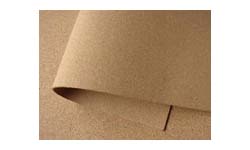
Cork Sheet
Discover Kaxite Sealing Cork Sheet – a premium natural solution for sealing, insulation, and craftsmanship. Made from sustainable cork, it offers durability and eco-friendliness, perfect for DIY enthusiasts, home renovators, and eco-conscious users. Experience reliability and a touch of warmth, standing out with superior flexibility and breathability. Elevate your projects today with trusted quality and timeless appeal.
Read MoreSend Inquiry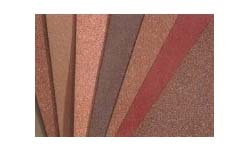
Cork Rubber Sheet
Kaxite Sealing's Cork Rubber Sheet combines eco-friendly cork with durable rubber for superior gasketing, sealing, and vibration dampening in automotive, industrial, and marine applications. This high-performance material offers excellent compression resistance, weatherproofing, and easy installation, solving common sealing issues for engineers and DIY enthusiasts. Feel the confidence of enhanced durability and efficiency—choose our innovative Cork Rubber Sheet for reliable, long-lasting performance.
Read MoreSend Inquiry